
Why Our DNA Needs Constant Maintenance
When most of us think about DNA, we think about the traits we inherited from our parents. Our eye colour, our height, and even certain aspects of our health are influenced by the genetic information passed down through generations. We tend to think of DNA as something we're born with that stays the same throughout our lives.
But there's much more to the story.
Our DNA is constantly being exposed to things that can damage it, and our bodies are working around the clock to identify and repair that damage. It's a remarkable process that most of us never give a second thought to, yet it's essential to keeping our cells functioning properly.
Over the past several months, I've been exploring the science of longevity and what researchers are learning about how our bodies age. One of the most interesting areas of research involves what scientists call the 12 Hallmarks of Aging, a framework that describes some of the interconnected biological processes that contribute to aging.
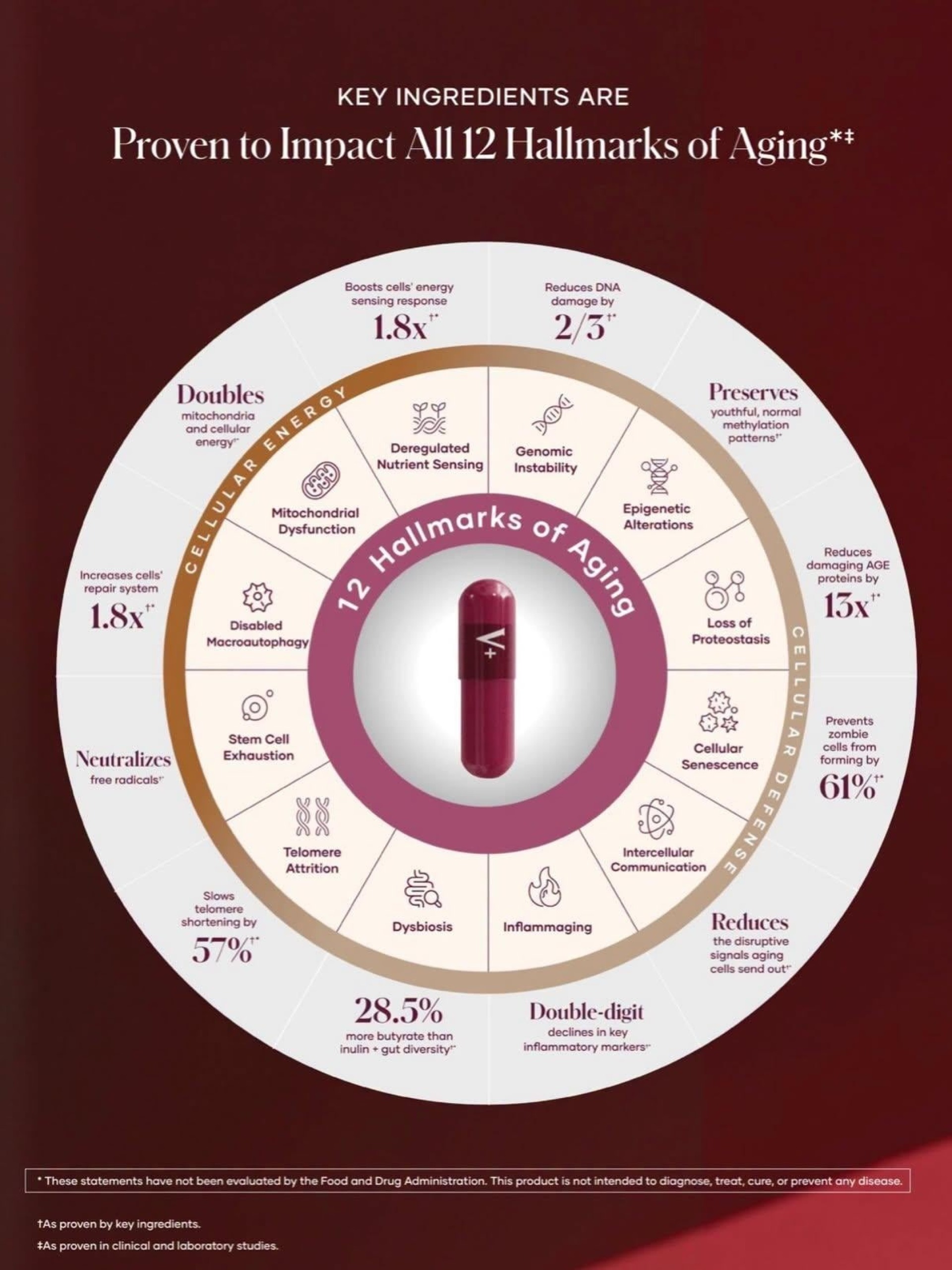
Over the coming weeks, I'd like to explore each of these hallmarks, explain what they mean in everyday language, and look at how they relate to our long-term health. We're going to start with something called genomic instability.
What Is Genomic Instability?
To understand genomic instability, it helps to think of DNA as the instruction manual for our cells. It contains the information our bodies use to produce proteins, maintain tissues, and carry out countless functions necessary for life.
Every time a cell divides, it needs to copy that instruction manual. Our cells have sophisticated systems designed to make those copies accurately, but mistakes can occasionally happen. DNA can also be damaged by normal metabolic processes, exposure to ultraviolet radiation from the sun, certain environmental chemicals, and other sources.
Fortunately, our bodies have built-in repair systems that continually monitor DNA for damage and work to correct it.
Genomic instability occurs when damage and changes to our genetic material accumulate or when the systems responsible for maintaining its integrity become less effective. Over time, this can interfere with normal cellular function and contribute to some of the biological changes associated with aging.
It's important to understand that DNA damage isn't something that suddenly begins when we reach a certain age. It's a normal part of being alive, and our bodies have been managing it since the day we were born. The challenge is maintaining that balance over a lifetime.
Our Cells Have Their Own Maintenance Crews
One of the things I find fascinating about the human body is how much work happens behind the scenes. We don't have to consciously tell our cells to repair damaged DNA. They have specialized proteins and enzymes that recognize certain types of damage, remove or correct damaged sections, and help maintain the integrity of our genetic information.
Different repair systems handle different problems. Some correct mistakes that occur when DNA is copied, while others respond to damage caused by environmental exposures or normal cellular activity. These systems are incredibly effective, but they aren't perfect. Some damage escapes repair, and the efficiency of certain maintenance processes can change as we age.
Researchers are particularly interested in how the accumulation of DNA damage interacts with other hallmarks of aging, including changes in cellular energy production, inflammation, and the ability of cells to maintain and repair themselves.
This is one reason aging is such a complicated subject. There isn't one single process responsible for everything that happens as we get older. Our bodies are made up of interconnected systems, and changes in one area can influence what happens in another.
What Does DNA Damage Have to Do With Longevity?
When scientists study longevity, they're not simply trying to understand why our hair turns grey or why we develop wrinkles. They're interested in the biological changes that influence how well our bodies function over time.
DNA damage is particularly important because our genetic information is involved in nearly everything our cells do. When damage accumulates, it can affect how cells function, whether they continue dividing, and how they respond to stress.
Sometimes damaged cells stop dividing, a process known as cellular senescence. In other situations, certain genetic changes can contribute to the development of diseases, including cancer. Our bodies have protective mechanisms designed to reduce these risks, but the effectiveness of those systems can change throughout life.
Scientists are studying how genomic instability contributes to aging and age-related disease, as well as how DNA maintenance and repair processes might be supported.
This doesn't mean that every sign of aging can be traced back to damaged DNA. It simply means that maintaining the integrity of our genetic information is one important part of the much larger picture of healthy aging.
Can Our Everyday Habits Make a Difference?
This is usually the question I find myself asking whenever I learn about another aspect of longevity science.
If our cells are constantly working to maintain and repair themselves, is there anything we can do to support that process?
While we can't prevent all DNA damage, there are practical steps we can take to reduce certain exposures and support our overall health.
Avoiding tobacco smoke is one of the most important. Smoking exposes the body to chemicals that can damage DNA and significantly increases the risk of several chronic diseases. Protecting our skin from excessive ultraviolet radiation is another practical step, since UV exposure can directly damage DNA in skin cells.
Nutrition also plays an important role in normal cellular function. A balanced diet provides vitamins, minerals, and other nutrients that the body needs for DNA synthesis, maintenance, and repair. Foods rich in folate, vitamin B12, and other essential nutrients help support these processes, while a varied diet containing fruits, vegetables, whole grains, and other nutritious foods contributes to overall health.
Regular physical activity, adequate sleep, and maintaining a healthy body weight are also associated with better long-term health. These habits support many of the systems involved in cellular maintenance, although we should be careful not to assume that any single habit can directly prevent or reverse age-related DNA damage.
As with most things related to longevity, the goal isn't perfection. It's about reducing avoidable risks and giving our bodies the resources they need to function well.
Healthy Aging Begins at the Cellular Level
One of the things I've enjoyed most about learning more about longevity is discovering how much is happening inside us every moment of the day.
Our bodies are constantly renewing tissues, repairing damage, producing energy, and responding to changes in our environment. We rarely notice any of it until something stops working as well as it once did. Understanding genomic instability gives us another perspective on why healthy aging is about more than simply adding years to our lives. It's about maintaining the systems that allow us to remain healthy, active, and independent for as long as possible.
We may not be able to control every change that happens inside our cells, but the choices we make throughout our lives can influence our overall health and our risk of developing certain diseases. That's a message I find encouraging, especially as I get older.
Final Thought
Our DNA may be the instruction manual we were born with, but keeping that manual in good working order requires constant maintenance.
Fortunately, our bodies have remarkable systems designed to do exactly that. Scientists are continuing to learn how those systems work, why they sometimes become less effective with age, and what that might mean for the future of healthy aging.
Genomic instability is just one of the 12 Hallmarks of Aging, and over the coming weeks, we'll explore how other processes contribute to the changes we experience as we get older.
Next, we'll look at telomeres, the protective structures at the ends of our chromosomes, and why they've become such an interesting subject in longevity research.
Here's to continuing to learn, taking care of ourselves, and making the most of the years ahead.
Bob
Bob Ferguson
(913) 208−6357
bob@fergleads.com